
In the early hours of a Christmas morning, I got the call about a fatality. A Richardson family of five had been reduced to four because a man decided to drink and drive. The family had been coming home from a Christmas Eve service. The drunk had been partying up in McKinney.
In the days after Christmas, I sat with the couple in the living room of their immaculate apartment. I’ll never forget the look on the father’s face when he learned that the maximum penalty for this crime — the crime that killed his baby boy and injured his wife and daughters — was 20 years.
“But this is Texas,” he said. “You have the death penalty here.”
The family had moved here from Mexico a few years earlier. Texas had a reputation for being tough on crime. I can’t describe how painful it was to explain how his baby boy’s life wasn’t worth more than twenty years, yet my pain surely paled in comparison to his. I talked to the man about intent and that drunk drivers didn’t necessarily wake up in the morning with a plan to kill someone, even though their actions were indeed deadly. He responded that an absence of intent provided no relief. His son was nonetheless dead. His grief was nonetheless brutal.
As a victim advocate, I’ve witnessed the grief inflicted on too many families by drunk drivers. Several of them stick. The 2002 killing of Sandra Escamilla and her unborn baby (she was 7 months pregnant). In the same crash, the killer caused serious injury to Catherine Swiatocha and her then 10-year-old son. Years later, another drunk driver killed a woman– a beloved wife, a mother of 2 and 9 months pregnant. In 2011, another woman was going for an evening walk with her best friend when a drunk driver mowed her down — drunk whose family members reportedly tried to keep him from getting behind the wheel. There have been countless cases of cops killed by drunk drivers, often when the officers are helping with a wreck.
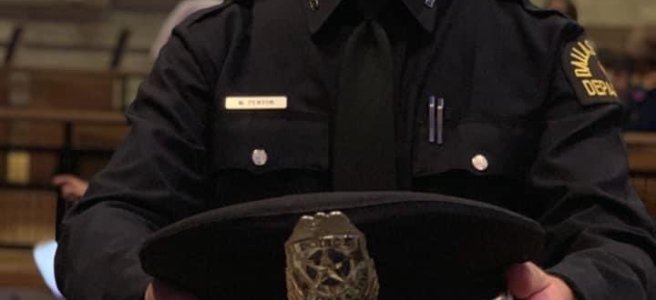
I’ve seen a lot of horrible things over the last 25 years, but I’ve never seen someone smile immediately after killing a person. The drunk who killed Officer Mitchell Penton is not the first person to do that, of course, but it’s the first time I’ve seen it, and it made me feel sick. I considered the fact that enough alcohol can render a person apathetic, which is something a defense attorney will undoubtedly point out. I tried to give him the benefit of the doubt — that he’s not a psychopath, that maybe the guy was so drunk he didn’t realize what he’d done. Then, I spent a few minutes on his social media page, which is littered with profanity, photos of him flipping off the camera, photos and videos of him smoking dope. But he’s “business owner” and wears a cross around his neck, so there’s that. Whether he’s a sociopath or was merely incapacitated by alcohol doesn’t matter. For the victims’ loved ones and those of us who care about our men and women in blue, nothing could make the killing less devastating or the grin less sinister.
It’s been almost 20 years since the Christmas the baby boy was killed, but the memories of that case haven’t faded. The offender received the maximum punishment. Both parents read victim impact statements, and the killer wept. With incredible resilience and mercy, the mom offered forgiveness. The father was gracious, but his statement carried a theme that comes to the surface every time I hear of another tragic intoxication manslaughter: If you’ve been alive long enough to operate a car, you cannot be unaware of the dangers of drinking and driving. We are surrounded by reminders on billboards, tv commercials, radio ads, and slogans, like friends don’t let friends drive drunk are burned into our brains. Who hasn’t heard of MADD? The concept of designated drivers has been promoted for decades. There’s also a notable space between the time you feel the effect of alcohol and the moment you decide to have another drink or switch to water. His words resonate with me every time I meet someone for a beer or a glass of wine. We’re inundated with warnings about drinking and driving, so I don’t think for a minute that this blog post will make a damned bit of difference.
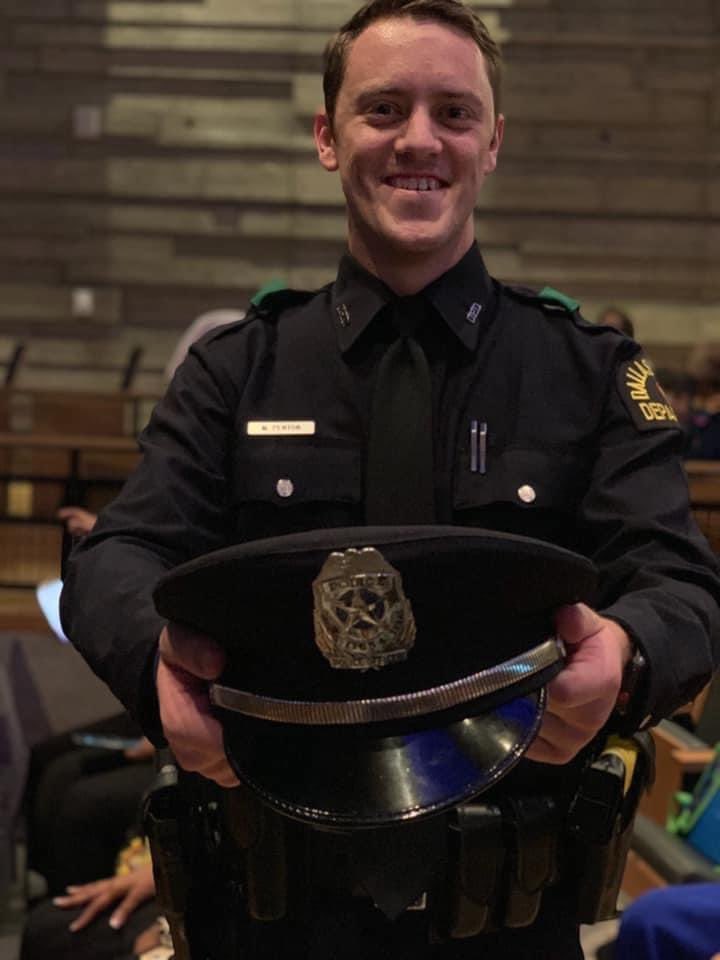
I suppose I simply felt the urge to say something. It’s Valentine’s Day, which I usually think of as a stupid, fake holiday. But today would’ve have been Mr. & Mrs. Penton’s first Valentine’s Day as a married couple, so I don’t imagine it will ever feel stupid or fake to her. Because of the killer, Officer Penton won’t meet his newborn or help raise his bonus kiddo. The couple has been robbed of celebrating their first wedding anniversary. For the foreseeable future, these milestones and holidays will be marked by tragedy and traumatic grief.
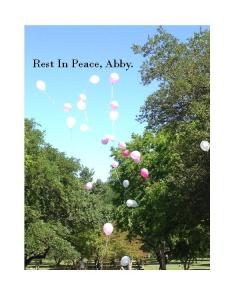 In 2013, our community lost another child. We call her Baby Abby. She was an infant murdered by her parents. This act of violence didn’t receive much attention, but it rocked our community of Fire Fighters/EMT’s, Law Enforcement, Child Protective Services Caseworkers and Advocates. When a detective asked about a memorial service, our lead advocate made one happen. Everyone needed a place to come together and grieve. They needed to be around those who understood. I will never forget the sight of detectives and paramedics carrying Baby Abby’s tiny casket; it confirmed that the smallest caskets are indeed the heaviest. Organizing a memorial was the only thing the advocate could do, but it was a powerful something.
  D.W. Dobbs