
The writing started over a decade ago and served a different purpose; it was a coping mechanism. I worked full-time as a victim advocate, and I was on-call from Sunday evening through Friday evening. If an advocate failed to respond over the weekend, I’d get called out then, too. My life consisted mostly of work and a dog named Sam. It took a toll.
At that time, I lived in small house with the washer and dryer conveniently located in the garage. (If you’ve responded to death scenes, you’ll understand how this placement is beneficial.) Often, I’d come home from a nasty call, shed the stench in the garage, hit the shower to wash it out of my hair and blow it out of my sinuses, and then head to the keyboard to write the rest out of my mind, at least for the night.
Then, I started tweaking the details or writing my fantasies about what would happen to suspects in a just world. Their loved ones, especially their parents, began to cross my mind more often, too. Many of them are grieving. They grieve the dream shattered — the son or daughter they tried yet somehow failed to raise. I’d write about them, but in the form of realistic fiction.
When people heard details about my job, one of the first things they would say was, “I don’t know how the hell you do that,” usually followed by, “You should write a book.” After a while, I could see I had the makings of one hell of a story and a market for it. Maybe I could write about victim advocates the way Joseph Wambaugh wrote about cops. (Yes, I dream big!) Just as they are in their work, victim advocates seem to be invisible in the literary world. They deserve to be seen.
So I kept at it. I had the victim advocate part down pat, but I needed another voice for the cop. I’d worked alongside them for years, but that’s not enough to write convincingly. Plus, I made it even harder on myself by creating an old-school, Texas lawman for the story. Not some caricature, either. I needed an old-fashioned good guy. A cross between John Wayne and Carey Grant. Channeling that man was beyond my skill level. The novel reached a state of irons; it was stuck. I needed wind to fill the sails again, and I knew who could provide it.

If you’ve ever met Wayne Dobbs, you’ll know he’s the perfect one to consult if you’re trying to speak Texan. He’s known for his Texas drawl and colloquialisms, generous spirit, booming laugh, and his ability to sniff out bad guys. During his law enforcement career, he won dozens of gun fights without ever firing his pistol. He had a presence that deterred suspects from ever firing a shot. (Still does.)
The trouble was tracking down the man, and if I did, I’d be lucky to get more than forty-five minutes with him. Every year or two, we’d have a whiskey at The Tavern at The Shire. I’d bring my little voice recorder with hopes of getting a tale or two from him. It never happened. The man didn’t have the time.
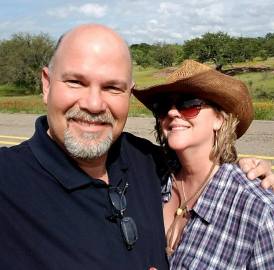
Finally, in 2013 our paths crossed again, and in 2014, they merged. I now have nearly 100 hours of Wayne Dobbs’ recordings, and Garrett Corcoran finally came to life on the pages of An Ugly Mess. It’s a work of fiction, but the contributors make it realistic. There are few things more annoying than reading a crime novel and tossing it because the author writes a ridiculous scene that would never happen. The stories in An Ugly Mess will ring familiar to every victim advocate or officer worth his or her salt. They are believable because sadly, stories like the ones told in An Ugly Mess happen everywhere, every day.
 D.W. Dobbs